Join thousands of others and discover Kansas City's captivating history every week with the exclusive newsletter from KC Yesterday. Sign up now to unlock fascinating stories about the mafia, architecture, prohibition, sports, and everything in between!
The Story of Petticoat Lane
The Story of Petticoat LaneIf you were forwarded this email, click here to subscribe (it's free!) Read this story online | Sponsor this newsletter | Shop 📸
Petticoat Lane (11th Street between Main and Grand) played an important role in Kansas City’s development, reflecting its growth from a frontier town to a modern urban center. Known for its holiday displays of lights, garlands, and decorated trees, the street became a gathering place for shopping and celebration. The Dawn of Petticoat Lane (Late 19th Century)
In the late 19th century, Kansas City’s rapid growth saw the rise of 11th Street, between Main and Grand, as a central shopping district. Later known as Petticoat Lane, this area attracted major retailers, including Emery, Bird & Thayer (EBT), John Taylor’s, Harzfeld’s, and Peck’s. These stores shaped the city’s retail culture, introducing new shopping experiences and modern fashion trends. Emery, Bird & Thayer became one of the street’s most influential stores. Originally a small dry goods shop on the riverfront, it moved to a six-story building at 11th and Walnut in 1889. The building featured innovative amenities like a pneumatic tube cash system and grand staircases, signaling a shift in retail toward larger, more elaborate stores.
Petticoat Lane’s development reflected larger social changes in Kansas City. Groups such as the Women’s Christian Temperance Union worked to reform 11th Street, transforming it from an area known for saloons into a shopping and cultural destination. Harzfeld’s, initially the Parisian Cloak Company, was instrumental in this shift. Under Siegmund Harzfeld’s leadership, the store embraced and promoted the "Petticoat Lane" name, tying it to its brand and solidifying the area’s reputation as a shopping hub. This transformation also coincided with shifts in consumer habits. Stores on Petticoat Lane helped transition Kansas City shoppers from custom-made clothing to ready-to-wear apparel, making fashion more accessible to a growing middle class. Petticoat Lane's Golden Era
By the early 20th century, Petticoat Lane was at the height of its popularity. Department stores like EBT, Harzfeld’s, and John Taylor’s were not only places to shop but also important social spaces. Tea rooms and parlors provided gathering places for visitors, while events and parades brought the community together. The stores themselves were notable for their architecture and design. The EBT building, with its detailed façade and large windows, provided an early example of retail spaces designed to attract and engage shoppers. Inside, departments were carefully arranged to create a seamless shopping experience.
A Changing Retail LandscapeThe mid-20th century brought significant changes to Kansas City’s retail landscape. Suburban malls, with more convenient parking and locations, drew customers away from downtown. As a result, Petticoat Lane’s influence as a retail center began to fade. By the 1970s, many of its hallmark buildings had been demolished, including the EBT building in 1973. Despite these changes, Petticoat Lane remains a significant part of Kansas City’s history. Efforts to commemorate its legacy include historical markers and archival preservation. While its physical presence has diminished, its role in shaping the city’s development and culture is still remembered.
This Week's Featured Home2019 W 81st Ter, Leawood, KS 66206
My friends over at KC Daily put together a great list of the 16 best Holiday Pop-Up Bars in KC this season. It includes an interactive Google Map so you can quickly find the one closest to you. What's your favorite holiday pop-up bar in KC? Reply and let me know!
ps: a striking then vs. now comparison of Petticoat Lane. |


Stories from the City - History of Kansas City
Join thousands of others and discover Kansas City's captivating history every week with the exclusive newsletter from KC Yesterday. Sign up now to unlock fascinating stories about the mafia, architecture, prohibition, sports, and everything in between!
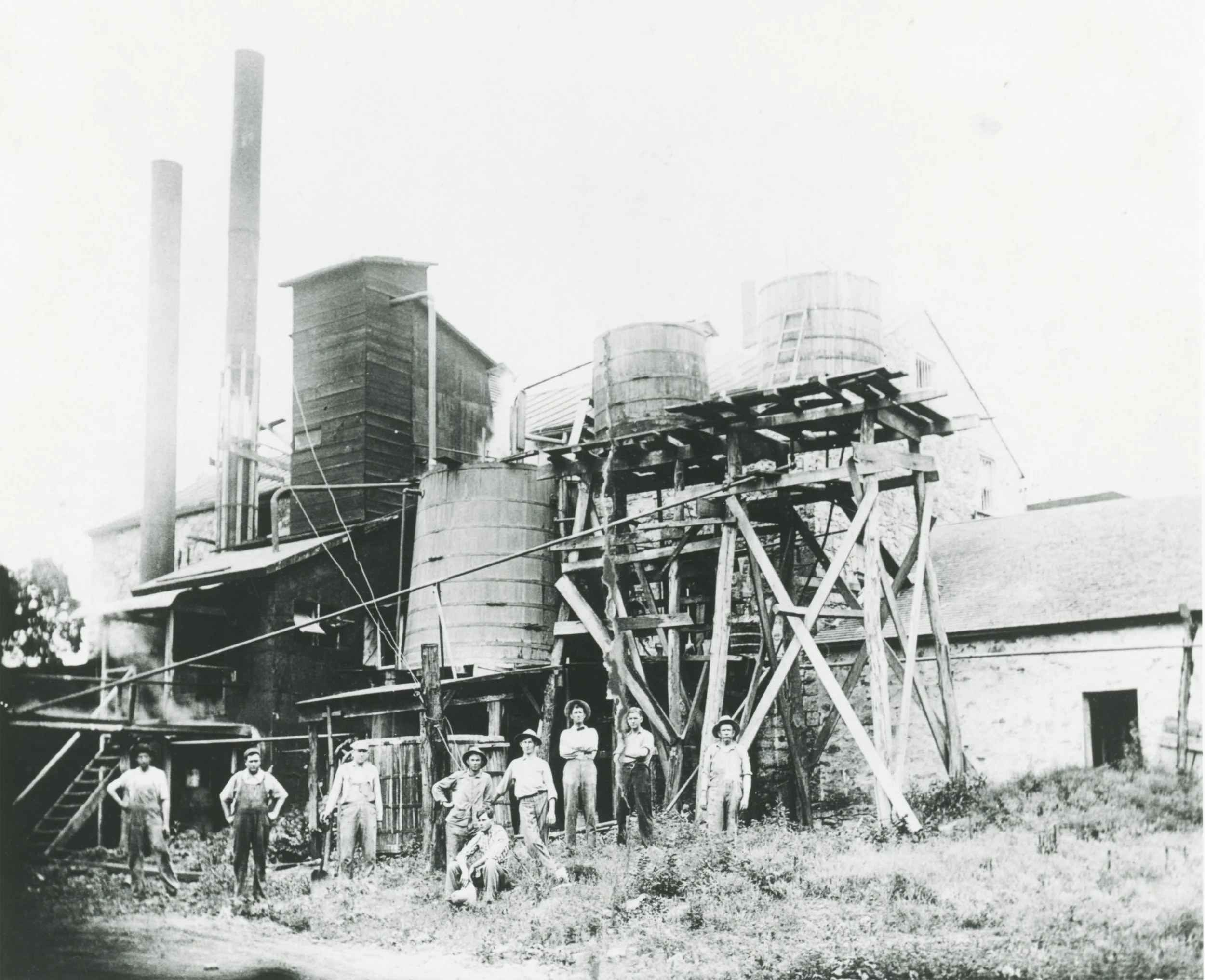
The Story of Holladay Distillery If you were forwarded this email, click here to subscribe (it's free!) Read this story online | Sponsor this newsletter | Shop 📸 In the hills of Weston, Missouri, just north of Kansas City, Holladay Distillery has been producing whiskey continuously for nearly 170 years. Founded in 1856, it is the oldest distillery west of the Mississippi River still operating at its original location. The distillery traces its origins to Ben Holladay, a Kentucky-born...

The Story of a Failed Downtown Stadium Proposal If you were forwarded this email, click here to subscribe (it's free!) Read this story online | Sponsor this newsletter | Shop 📸 Courtesy KC Public Library. In the latter half of the 1960s, Kansas City found itself at a crossroads of ambition and practicality, as civic leaders and sports enthusiasts dreamt of a downtown baseball stadium that would redefine the city's landscape. The dynamics of football were shifting dramatically in the early...

The Story of Thomas Swope's Unsolved Murder If you were forwarded this email, click here to subscribe (it's free!) Read this story online | Sponsor this newsletter | Shop 📸 Portrait of Thomas Swope. Courtesy: Missouri Valley Special Collections, Kansas City Public Library, Kansas City, MO Thomas Hunton Swope was a highly influential figure in Kansas City's history, renowned for his success as a real estate developer and philanthropist. Born in Kentucky in 1827, Swope graduated from Yale...