Join thousands of others and discover Kansas City's captivating history every week with the exclusive newsletter from KC Yesterday. Sign up now to unlock fascinating stories about the mafia, architecture, prohibition, sports, and everything in between!
The Story of Bobby Greenlease's Kidnapping
The Story of the Bobby Greenlease's KidnappingIf you were forwarded this email, click here to subscribe (it's free!) Read this story online | Sponsor this newsletter | Shop 📸
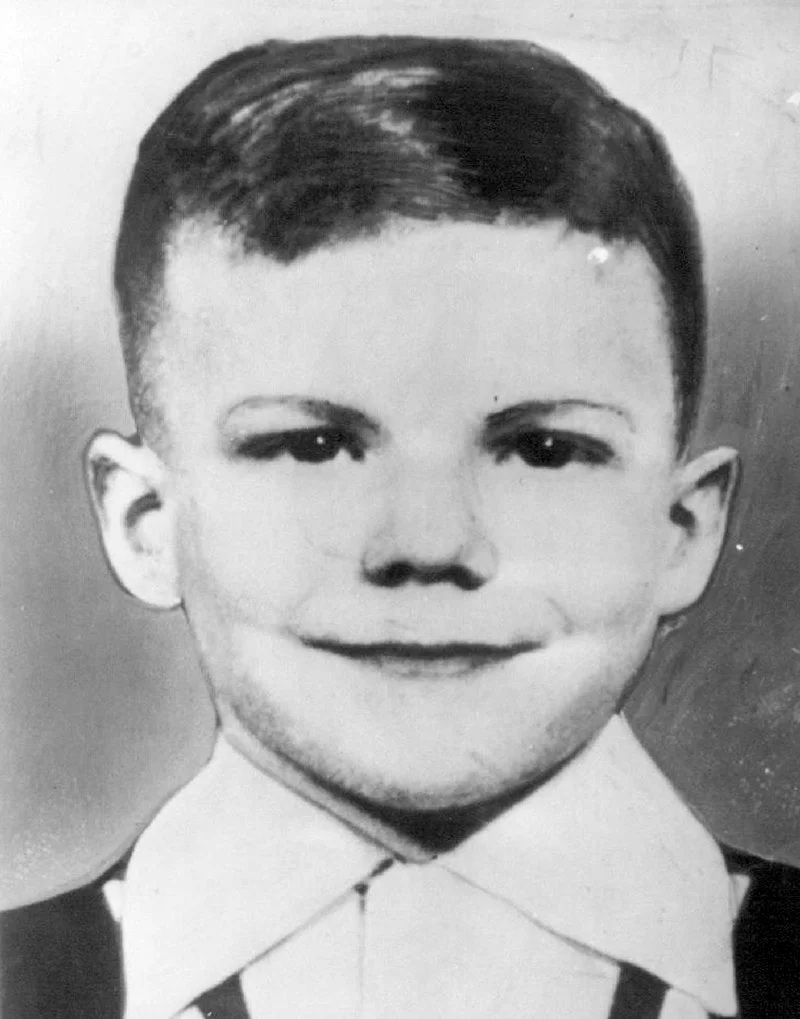
On the morning of September 28, 1953, a woman arrived at the French Institute of Notre Dame de Sion in Kansas City, Missouri, and told a nun she was the aunt of six-year-old student Robert “Bobby” Greenlease. Claiming Bobby’s mother had suffered a heart attack, the woman—Bonnie Heady—left with the boy, who walked to her without hesitation. By late morning, a call from the school to the Greenlease home exposed the ruse. Bobby’s father, auto magnate Robert Greenlease Sr., contacted police; the FBI was notified soon after. Heady and her partner, Carl Austin Hall, had planned a kidnap-for-ransom scheme targeting the wealthy family. Within hours, the Greenleases began receiving ransom letters and calls demanding $600,000 in small bills—then the largest ransom in U.S. history. A medal Bobby wore was mailed as proof of custody, and the kidnappers repeatedly assured the family he was alive. Unknown to the Greenleases, Hall had driven the child across the state line to Overland Park, Kansas, and fatally shot him shortly after the abduction. The body was taken to St. Joseph, Missouri, and buried in Heady’s yard beneath a trellis dusted with lime.
On October 5, following detailed instructions, the Greenlease representatives delivered the $600,000 in a duffel bag at a designated spot in eastern Jackson County. Hall retrieved the money and, with Heady, fled roughly 380 miles to St. Louis. There he bought metal suitcases, transferred the cash, and abandoned the duffel in an ash pit. Heady, intoxicated, fell asleep in a rented apartment while Hall, carrying the suitcases, moved between motels and briefly considered burying the money along the Meramec River. The break came the afternoon of October 6, when a St. Louis cab driver reported a suspicious fare flashing large sums of cash. Police arrested Hall that evening at the Townhouse Hotel; he first gave a false name, then implicated Heady, who was arrested the same night. Under questioning, Hall admitted planning the crime and led investigators to Heady’s property, where FBI agents recovered Bobby’s body on October 7. Forensic work tied Hall’s .38-caliber revolver to evidence found in Heady’s station wagon and home. Both defendants pleaded guilty in federal court. After a brief penalty hearing, a jury recommended death; Judge Albert L. Reeves imposed sentences carried out in Missouri’s gas chamber on December 18, 1953—less than three months after the kidnapping. The case did not end there: only $288,000 of the ransom was recovered. Two St. Louis officers who arrested Hall were later convicted of perjury amid evidence that money had gone missing in their custody, fueling a long-running mystery about the unrecovered cash that has never been fully resolved. Learn more: FBI - KCHistory - PBS - History Hunters This Week's Featured Home2514 W 64th St, Mission Hills, KS 66208
Poll: What's your favorite fall farm in KC? 🍁🍎🎃My friends over at KC Daily created this handy guide to the 12 Best Fall Farms to Visit Around KC -- be sure to check it out and let me know where you're going this fall!
ps: then vs. now of Municipal Stadium, home to many pro teams over the years, including the iconic KC Monarchs. |

Stories from the City - History of Kansas City
Join thousands of others and discover Kansas City's captivating history every week with the exclusive newsletter from KC Yesterday. Sign up now to unlock fascinating stories about the mafia, architecture, prohibition, sports, and everything in between!
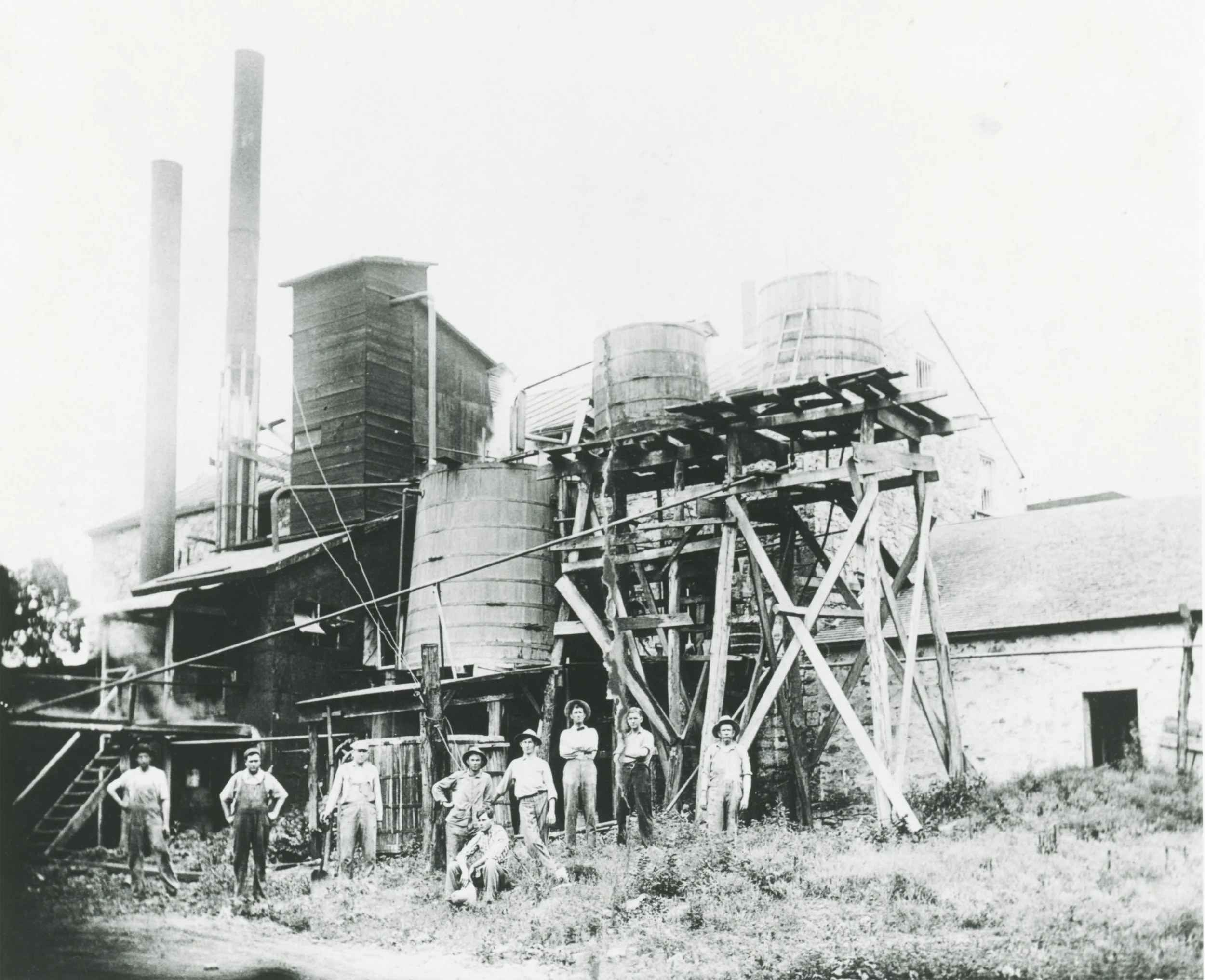
The Story of Holladay Distillery If you were forwarded this email, click here to subscribe (it's free!) Read this story online | Sponsor this newsletter | Shop 📸 In the hills of Weston, Missouri, just north of Kansas City, Holladay Distillery has been producing whiskey continuously for nearly 170 years. Founded in 1856, it is the oldest distillery west of the Mississippi River still operating at its original location. The distillery traces its origins to Ben Holladay, a Kentucky-born...

The Story of a Failed Downtown Stadium Proposal If you were forwarded this email, click here to subscribe (it's free!) Read this story online | Sponsor this newsletter | Shop 📸 Courtesy KC Public Library. In the latter half of the 1960s, Kansas City found itself at a crossroads of ambition and practicality, as civic leaders and sports enthusiasts dreamt of a downtown baseball stadium that would redefine the city's landscape. The dynamics of football were shifting dramatically in the early...

The Story of Thomas Swope's Unsolved Murder If you were forwarded this email, click here to subscribe (it's free!) Read this story online | Sponsor this newsletter | Shop 📸 Portrait of Thomas Swope. Courtesy: Missouri Valley Special Collections, Kansas City Public Library, Kansas City, MO Thomas Hunton Swope was a highly influential figure in Kansas City's history, renowned for his success as a real estate developer and philanthropist. Born in Kentucky in 1827, Swope graduated from Yale...