Join thousands of others and discover Kansas City's captivating history every week with the exclusive newsletter from KC Yesterday. Sign up now to unlock fascinating stories about the mafia, architecture, prohibition, sports, and everything in between!
The Story of the M.B. Nelson Mansion on Ward Parkway
The Story of the M.B. Nelson Mansion on Ward ParkwayIf you were forwarded this email, click here to subscribe (it's free!) Read this story online | Sponsor this newsletter | Shop 📸
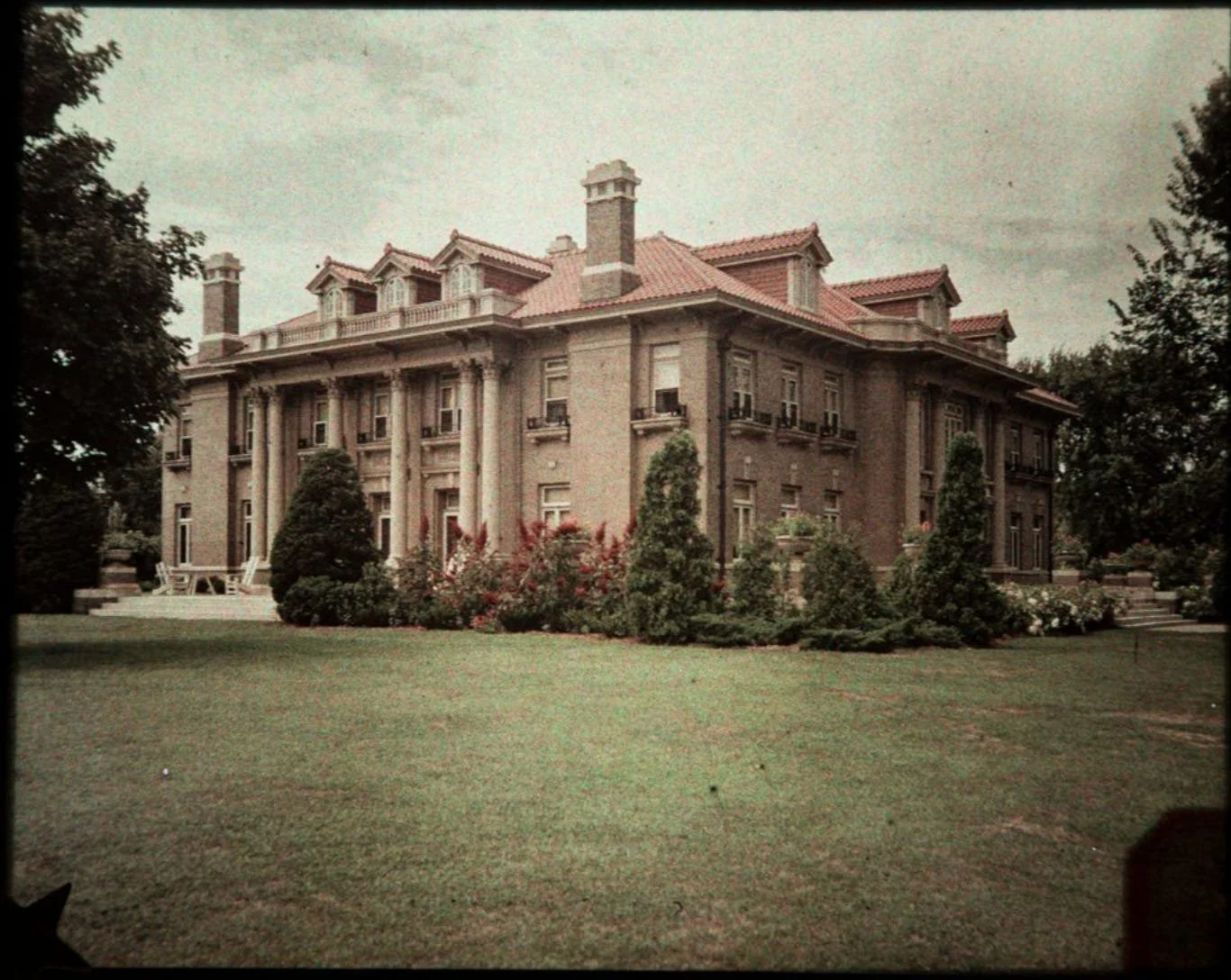
Built in 1915, the Mack B. Nelson House is a magnificent Kansas City residence designed by architect Henry F. Hoit. Known for its grand classical style and unique interior courtyard, the home reflects both the wealth and influence of Nelson, a leading figure in the lumber industry. Born in Arkansas in 1872, Mack Barnabas Nelson pursued various business ventures before settling in Kansas City in 1894. He joined the Long-Bell Lumber Company in 1898 and rose to vice president by the time he commissioned this home. Eventually, he became president of the company, overseeing its expansion and operations, including control of the Adair Lumber Company and a regional railway.
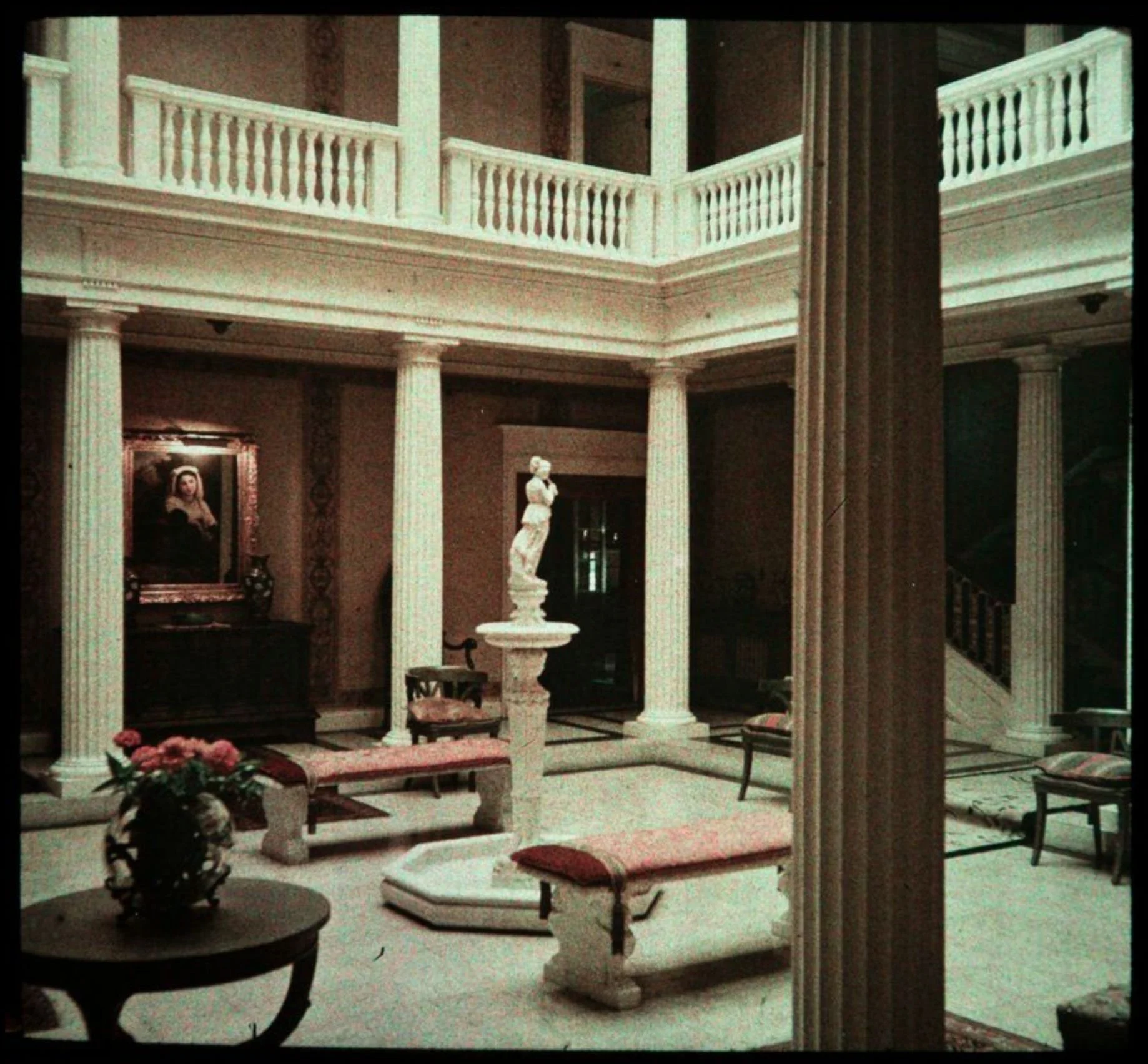
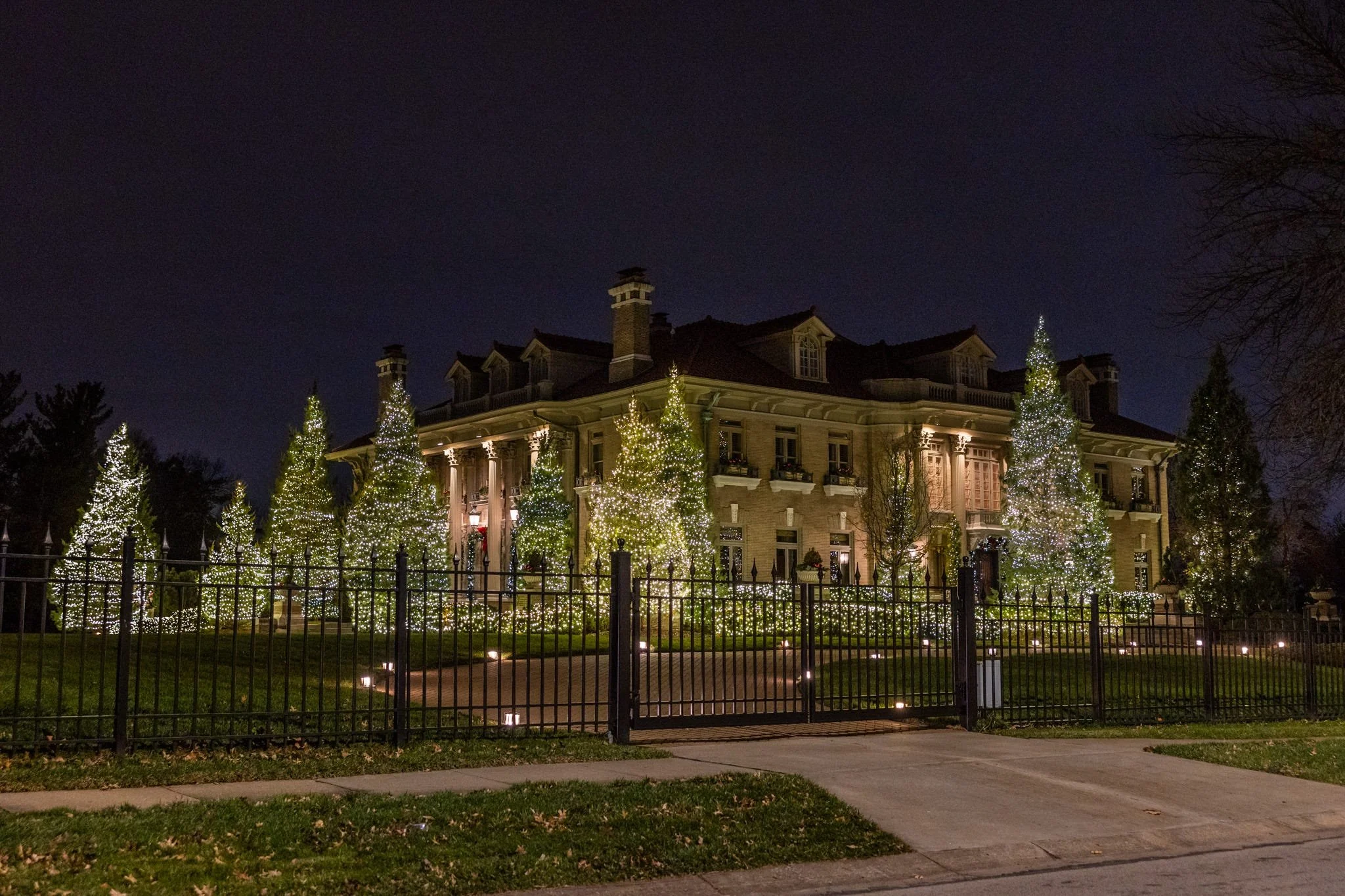
The three-story, 14,661-square-foot home is built in a symmetrical classical style with buff brick, stone, and terra-cotta detailing. Corinthian columns adorn the north and east facades, while wrought iron balconies and decorative dormers contribute to its elegance. The red-tiled roof reflects Mediterranean influences, aligning with other prominent Kansas City homes of the era. A defining feature of the house is its interior courtyard (above), an uncommon design for the region. This central space, surrounded by arcades with fluted Tuscan and Ionic columns, features a marble floor and a fountain. A retractable glass skylight allows for natural light and air circulation.
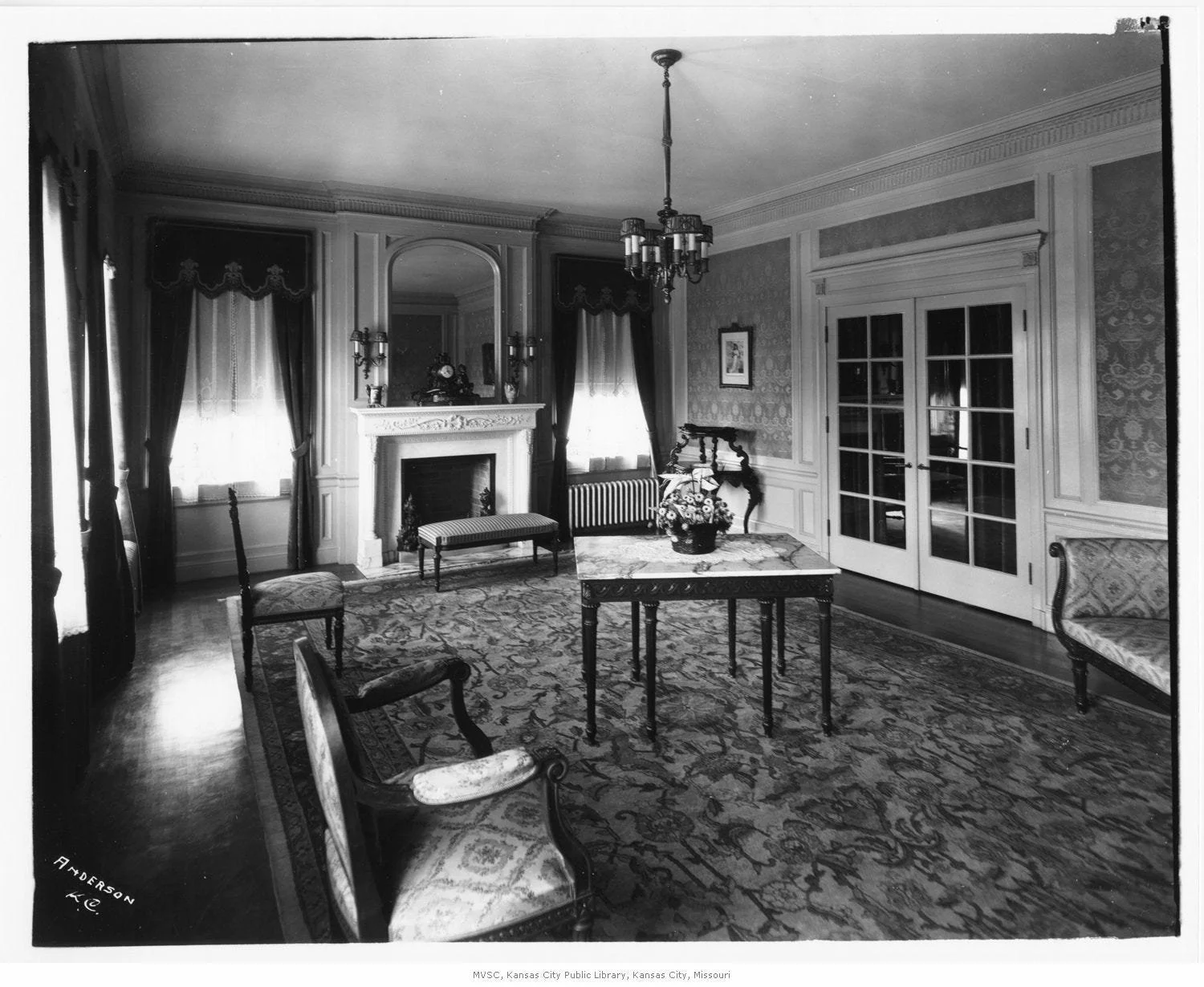
Inside, the home includes formal rooms for entertaining, such as a library with leaded glass bookcases, a Louis XVI-style salon, a dining room with fabric-paneled walls, and a billiard room with oak wainscoting. The living room features a carved stone fireplace with an intricately designed ceiling. The second floor houses master suites with sitting rooms, additional bedrooms, and a balcony overlooking the courtyard.
The 3.7-acre property, designed by landscape firm Hare & Hare, originally included a vegetable garden, a pergola (later converted into a pool pavilion), and a carriage house. Nelson and his wife, Cora, had no children but shared the home with extended family. After their deaths, the house remained in the family until 1956 when it was sold at auction. It later changed hands multiple times, with periods of vacancy leading to theft and deterioration. In 1965, it was donated to the University of Missouri–Kansas City and subsequently sold to film producer Wade Williams III in 1968. It has changed ownership multiple times over the following decades and is currently occupied. Thursday Trivia 🤔
➡️ Learn the answer in Friday morning's edition of KC Daily! The best KC news delivered to your inbox every weekday morning, for free. This Week's Featured Home4525 Kenwood Ave, Kansas City, MO 64110
Hey Reader, thanks for being a fan of KC Yesterday! What do you want to learn about next week? Reply and let me know! p.s - then vs. now of the M.B. Nelson house. |
Stories from the City - History of Kansas City
Join thousands of others and discover Kansas City's captivating history every week with the exclusive newsletter from KC Yesterday. Sign up now to unlock fascinating stories about the mafia, architecture, prohibition, sports, and everything in between!
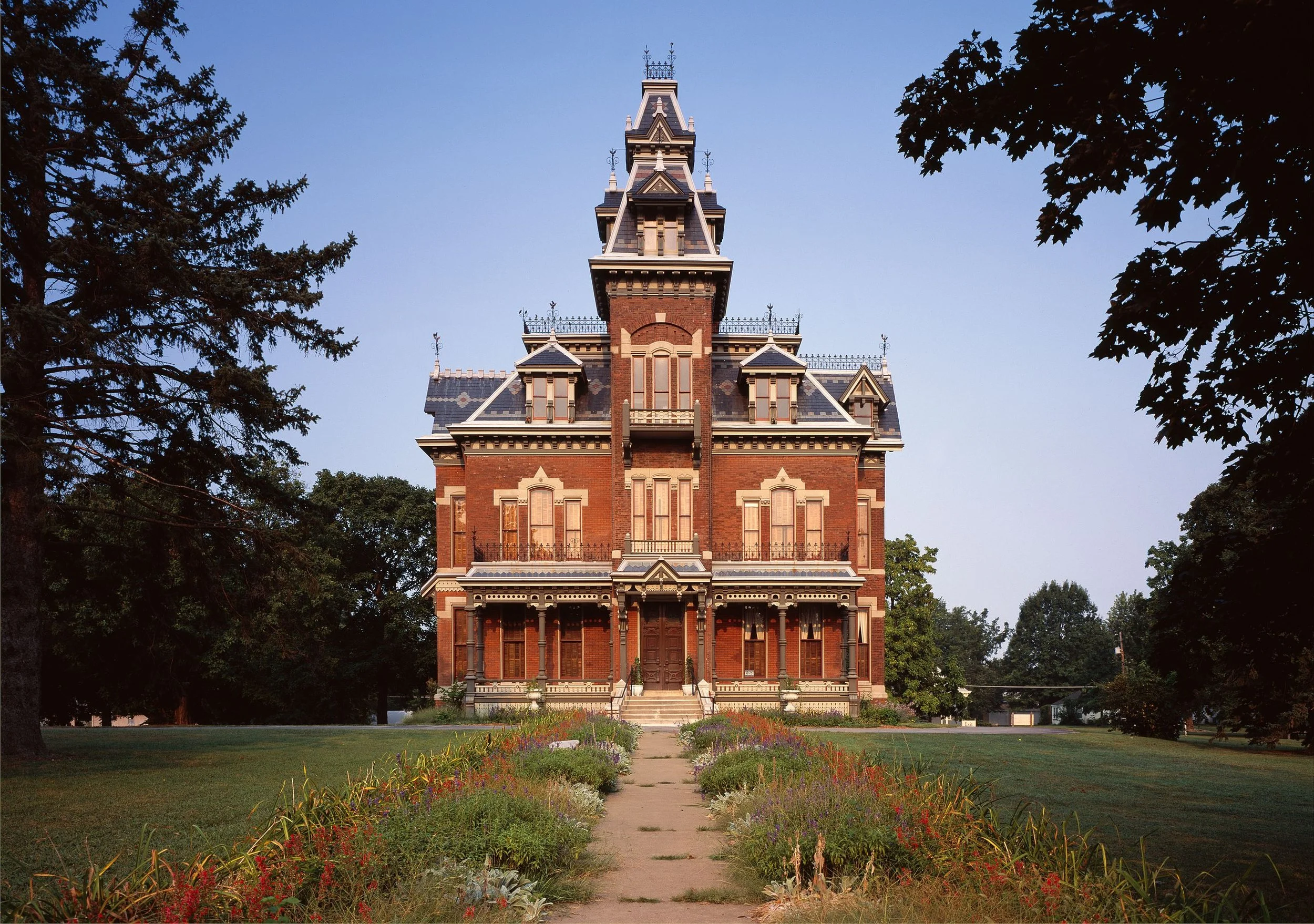
The Story of Vaile Mansion in Independence If you were forwarded this email, click here to subscribe (it's free!) Read this story online | Sponsor this newsletter | Shop 📸 Courtesy LOC/Carol Highsmith. The Vaile Mansion in Independence, MO is one of the most notable surviving examples of Second Empire architecture in the United States. Built in 1881 for Colonel Harvey Merrick Vaile and his wife, Sophia, the residence was designed by Kansas City architect Asa Beebe Cross and inspired by a...

The Story of Corinthian Hall If you were forwarded this email, click here to subscribe (it's free!) Read this story online | Sponsor this newsletter | Shop 📸 Perched high in the Scarritt Point neighborhood, Corinthian Hall is among Kansas City’s most architecturally and historically significant homes. Built in 1910 for lumber magnate Robert A. Long, the mansion was a statement of wealth, civic ambition, and refined taste. It was designed by architect Henry F. Hoit, who would go on to shape...
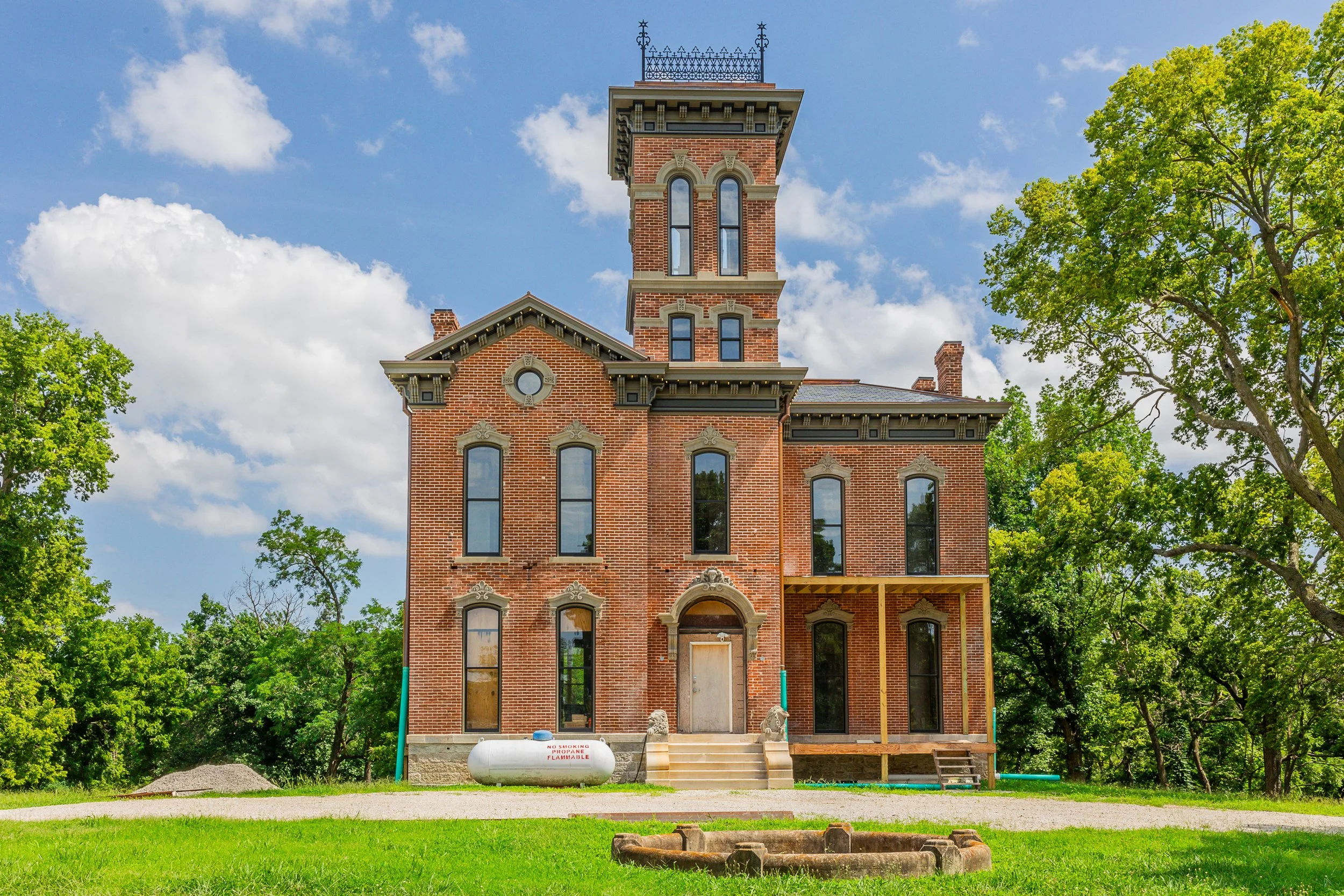
The Story of Sauer Castle (1873) If you were forwarded this email, click here to subscribe (it's free!) Read this story online | Sponsor this newsletter | Shop 📸 KC Yesterday Sauer Castle, located at 935 Shawnee Road in Kansas City, Kansas, is one of the region’s most recognized examples of Italianate architecture and one of the most historically significant residences in the city. Construction began around 1871 and was completed in 1873 as the home of German immigrant Anton Sauer and his...