Join thousands of others and discover Kansas City's captivating history every week with the exclusive newsletter from KC Yesterday. Sign up now to unlock fascinating stories about the mafia, architecture, prohibition, sports, and everything in between!
The Story of The Hyatt Regency Walkway Collapse
The Story of The Hyatt Regency Walkway CollapseIf you were forwarded this email, click here to subscribe (it's free!) Read this story online | Sponsor this newsletter | Shop 📸
On July 17, 1981, a catastrophic structural failure occurred at the Hyatt Regency Hotel. Two suspended walkways inside the hotel’s atrium collapsed during a crowded evening event, resulting in the deaths of 114 people and injuries to 216 others. It remains one of the deadliest structural failures in U.S. history.
Background and Design FlawsThe Hyatt Regency opened in 1980, with a modern multi-story atrium featuring glass elevators and three elevated walkways that connected opposite wings of the hotel on the second, third, and fourth floors. These suspended walkways were intended to enhance both the functionality and visual impact of the interior space. However, during construction, a critical change was made to the original structural design. The engineering firm, in coordination with the steel fabricator, altered the method of suspending the fourth-floor walkway. Instead of using a single set of continuous support rods to hold both the second- and fourth-floor walkways, the revised design used two separate sets of rods. This effectively doubled the load on the connection supporting the fourth-floor walkway, which had not been designed to bear that additional weight. The change was not adequately reviewed or tested, and the flaw went undetected prior to construction.
The Collapse and Rescue ResponseAt approximately 7:05 p.m. on Friday, July 17, over 1,600 people had gathered in the hotel’s atrium for a tea dance event. Roughly 40 people stood on the fourth-floor walkway above the crowded lobby. Without warning, the walkway failed. It fell onto the second-floor walkway below it, causing both to collapse onto the crowd beneath. Emergency responders began rescue operations within minutes. The Kansas City Fire Department coordinated with medical personnel, construction workers, and volunteers to remove debris and search for survivors. Heavy equipment was brought in to lift steel beams and concrete slabs. The operation continued for over 14 hours. Flooding from the hotel’s sprinkler system created additional hazards. Some survivors were trapped in water under the wreckage, and visibility was limited due to dust and darkness. Makeshift triage and morgue areas were established on-site to manage the volume of casualties.
Investigation and AftermathThe National Bureau of Standards (now NIST) and local authorities conducted thorough investigations. The findings revealed that poor communication, insufficient review processes, and a failure to adhere to engineering protocols contributed directly to the collapse. The engineering firm involved lost its licenses, and the incident prompted sweeping changes in structural engineering practices nationwide. As a result, reforms were implemented in engineering ethics, peer review procedures, and quality control standards. The tragedy underscored the importance of professional responsibility and thorough oversight in all stages of design and construction. The hotel reopened three months after the incident and underwent major structural reinforcements. In 1983, the rebuilt structure was described by officials as “potentially the safest in the country.” The property was later renamed Hyatt Regency Crown Center in 1987 and Sheraton Kansas City at Crown Center in 2011. Though the lobby layout remains largely unchanged, the memory of the collapse continues to shape building safety discussions. The Hyatt Regency walkway collapse remains a defining moment in Kansas City’s history and serves as a lasting reminder of the importance of engineering integrity and public safety. KMBC 9 Chronicle: The Skywalk Tapes ⬇️ Liberty MemorialAvailable as a poster print or premium canvas
This Week's Featured Home401 E 36th St, Kansas City, MO 64109
The Weekly Featured Home is in partnership with KC Daily - the best news in Kansas City every weekday morning, for free.
|


Stories from the City - History of Kansas City
Join thousands of others and discover Kansas City's captivating history every week with the exclusive newsletter from KC Yesterday. Sign up now to unlock fascinating stories about the mafia, architecture, prohibition, sports, and everything in between!
The Story of the Great Flood of 1951 If you were forwarded this email, click here to subscribe (it's free!) Read this story online | Sponsor this newsletter | Shop 📸 Courtesy: Missouri Valley Special Collections, Kansas City Public Library, Kansas City, MO In mid-July 1951, Kansas City and its surrounding regions experienced one of the most devastating floods in their history, triggered by heavy rainfall that significantly raised water levels in the Kansas, Missouri, and other nearby rivers....
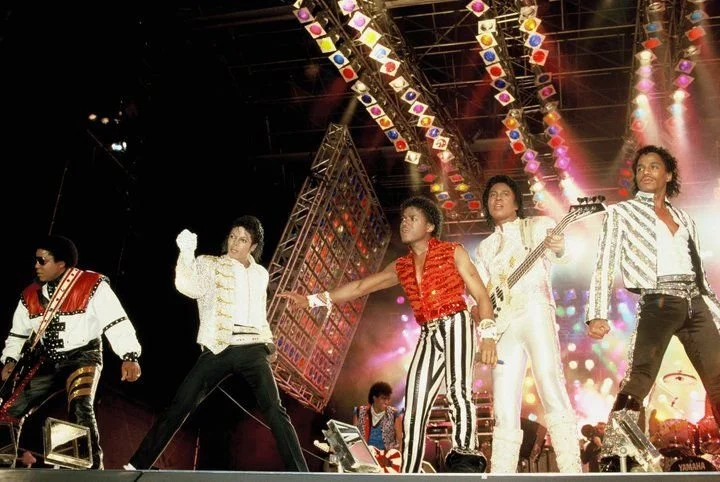
The Story of The Jacksons at Arrowhead Stadium (1984) If you were forwarded this email, click here to subscribe (it's free!) Read this story online | Sponsor this newsletter | Shop 📸 July 6-8, 1984: The Jacksons at Arrowhead Stadium In the summer of 1984, The Jacksons launched their North American Victory Tour with three sold-out shows at Arrowhead Stadium. In a rare move, Arrowhead officials accepted a flat $100,000 fee instead of their usual cut of ticket and concession sales. The Victory...
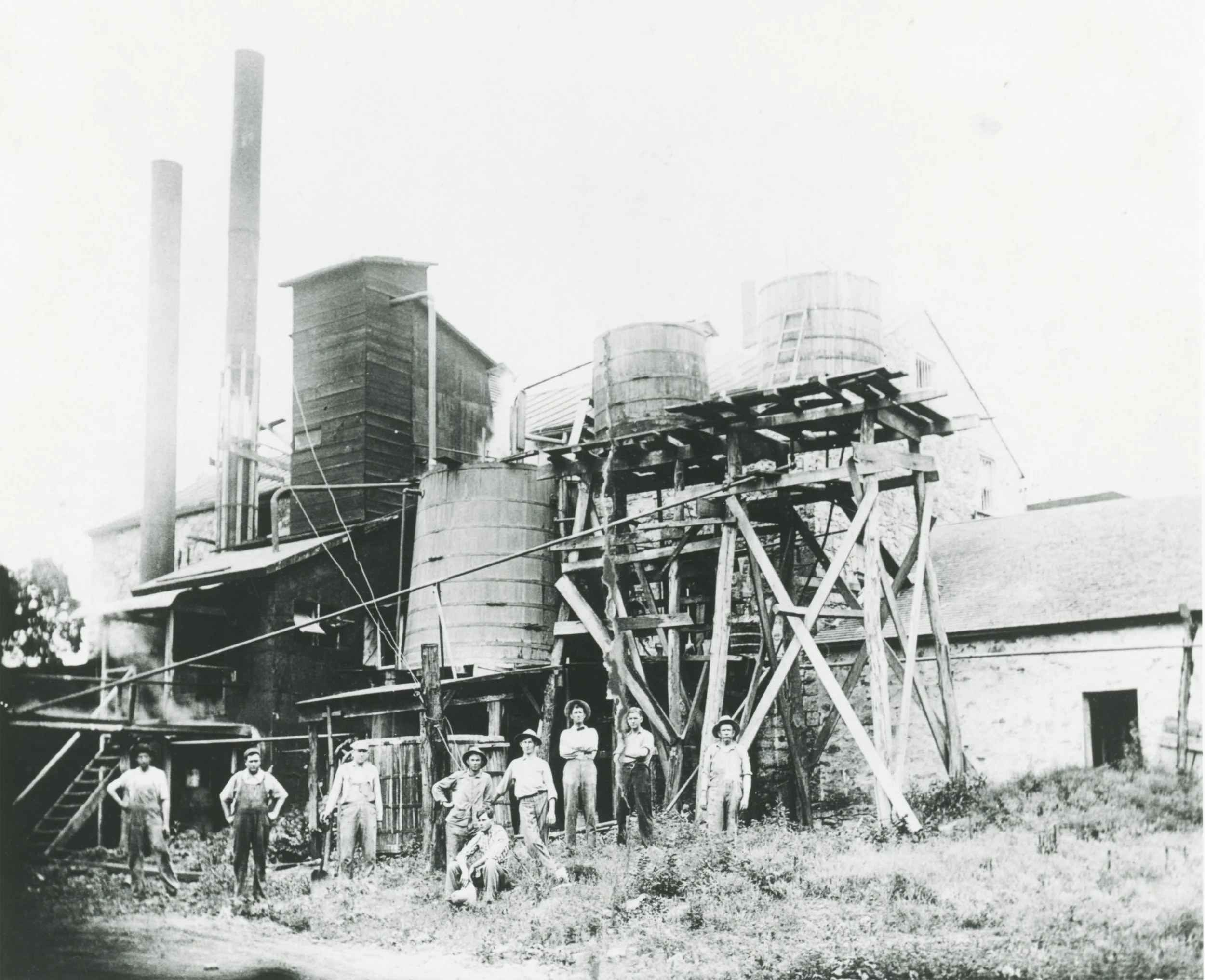
The Story of Holladay Distillery If you were forwarded this email, click here to subscribe (it's free!) Read this story online | Sponsor this newsletter | Shop 📸 In the hills of Weston, Missouri, just north of Kansas City, Holladay Distillery has been producing whiskey continuously for nearly 170 years. Founded in 1856, it is the oldest distillery west of the Mississippi River still operating at its original location. The distillery traces its origins to Ben Holladay, a Kentucky-born...