Join thousands of others and discover Kansas City's captivating history every week with the exclusive newsletter from KC Yesterday. Sign up now to unlock fascinating stories about the mafia, architecture, prohibition, sports, and everything in between!
The Story of the Great Flood of 1951
The Story of the Great Flood of 1951If you were forwarded this email, click here to subscribe (it's free!) Read this story online | Sponsor this newsletter | Shop 📸 In mid-July 1951, Kansas City and its surrounding regions experienced one of the most devastating floods in their history, triggered by heavy rainfall that significantly raised water levels in the Kansas, Missouri, and other nearby rivers. This catastrophic event affected vast areas across Kansas and Missouri, causing extensive damage and loss of life. The Onset of the FloodThe flooding began in May 1951, with Big Creek in Hays, Kansas, experiencing significant overflow. This initial flooding set the stage for what was to come, as heavy rains continued into June and early July. By mid-July, the region had received between 8 and 16 inches of rain over a few days, culminating in unprecedented flood levels that surpassed previous records set in the Great Floods of 1844 and 1903. Impact on Kansas CityOn July 13, the Kansas River crested, causing the levees in Kansas City to overflow. The Argentine and Armourdale areas were severely affected, resulting in the evacuation of 15,000 residents. The floodwaters reached the rooftops of homes in Armourdale and submerged the Kansas City Stockyards in the West Bottoms, a major economic hub at the confluence of the Kansas and Missouri Rivers. This devastation marked a turning point for the Stockyards, which never fully recovered their pre-flood prominence. Businesses throughout the West Bottoms suffered immense losses. The flood destroyed the TWA overhaul base at Fairfax Airport, a critical facility for the airline industry. This destruction prompted the city to eventually relocate TWA's operations to a new airport in Platte County, which later became Kansas City International Airport. The flood also severely disrupted rail and road transportation, with many routes rendered impassable. Residential areas were not spared, with entire neighborhoods submerged. Homes and businesses in low-lying areas were particularly hard hit, with water levels reaching the rooftops in some cases. The damage extended beyond physical destruction, affecting the livelihoods of countless families and small businesses. The broader metropolitan area also saw widespread evacuations and emergency responses. Schools, hospitals, and other critical services were strained, as communities struggled to cope with the immediate aftermath. Emergency shelters were set up to accommodate displaced residents, and the local government coordinated with federal agencies to manage relief efforts. Extent of the DamageThe 1951 floodwaters inundated 1,074,000 acres in Kansas and 926,000 acres in Missouri, affecting numerous cities and towns. Major urban areas like Manhattan, Topeka, and Lawrence were extensively damaged, with thousands of buildings destroyed and tens of thousands of residents displaced. In Kansas City, the flood caused severe disruptions, with 28 lives lost and nearly $1 billion in damages (equivalent to approximately $10 billion today). In response to the disaster, President Harry Truman declared the flood one of the worst in U.S. history. This led to the construction of a series of levees and reservoirs across eastern Kansas, aimed at preventing such widespread destruction in the future. These flood control measures proved effective during subsequent flooding events, including the Great Flood of 1993, which saw significantly reduced impacts due to these improvements. Downtown KC SkylineAvailable as a poster print or premium canvas
This Week's Featured Home840 Rockwell Lane, Kansas City, MO 64112
The Weekly Featured Home is in partnership with KC Daily - the best news in Kansas City every weekday morning, for free.
|

Stories from the City - History of Kansas City
Join thousands of others and discover Kansas City's captivating history every week with the exclusive newsletter from KC Yesterday. Sign up now to unlock fascinating stories about the mafia, architecture, prohibition, sports, and everything in between!

The Story of The Hyatt Regency Walkway Collapse If you were forwarded this email, click here to subscribe (it's free!) Read this story online | Sponsor this newsletter | Shop 📸 On July 17, 1981, a catastrophic structural failure occurred at the Hyatt Regency Hotel. Two suspended walkways inside the hotel’s atrium collapsed during a crowded evening event, resulting in the deaths of 114 people and injuries to 216 others. It remains one of the deadliest structural failures in U.S. history....
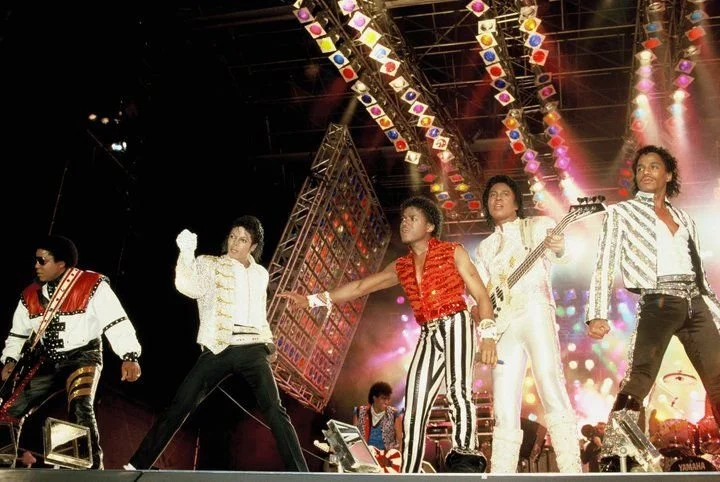
The Story of The Jacksons at Arrowhead Stadium (1984) If you were forwarded this email, click here to subscribe (it's free!) Read this story online | Sponsor this newsletter | Shop 📸 July 6-8, 1984: The Jacksons at Arrowhead Stadium In the summer of 1984, The Jacksons launched their North American Victory Tour with three sold-out shows at Arrowhead Stadium. In a rare move, Arrowhead officials accepted a flat $100,000 fee instead of their usual cut of ticket and concession sales. The Victory...
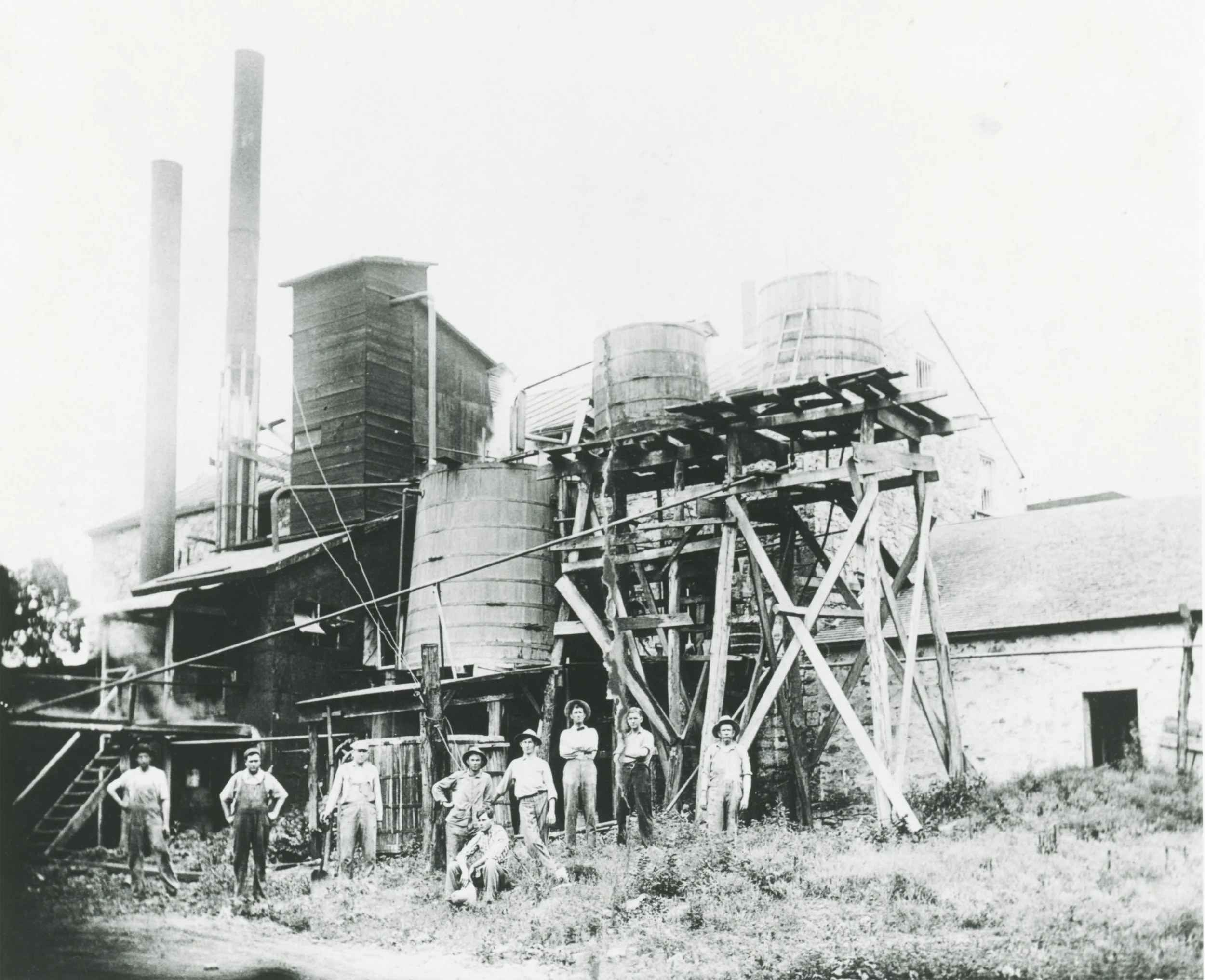
The Story of Holladay Distillery If you were forwarded this email, click here to subscribe (it's free!) Read this story online | Sponsor this newsletter | Shop 📸 In the hills of Weston, Missouri, just north of Kansas City, Holladay Distillery has been producing whiskey continuously for nearly 170 years. Founded in 1856, it is the oldest distillery west of the Mississippi River still operating at its original location. The distillery traces its origins to Ben Holladay, a Kentucky-born...