Join thousands of others and discover Kansas City's captivating history every week with the exclusive newsletter from KC Yesterday. Sign up now to unlock fascinating stories about the mafia, architecture, prohibition, sports, and everything in between!
The Story of the Midland Theatre Bombing
The Story of the Midland Theatre BombingIf you were forwarded this email, click here to subscribe (it's free!) Read this story online | Sponsor this newsletter | Shop 📸 On January 11, 1932, an explosion tore through the lobby of the Midland Theatre, then known as the Loew’s Midland, marking one of the most tragic events in the building’s history. The blast killed Frank Alexander, a young janitor who had discovered what he believed was a discarded package beneath a balcony seat shortly after a show ended. As he carried it downstairs toward the lobby, the dynamite inside detonated, damaging the lobby but narrowly missing departing patrons. The bombing was not random, but part of a series of theater attacks tied to bitter labor disputes between rival projectionists’ unions in Kansas City during the early 1930s. In total, eight theaters were bombed over several months, though the Midland explosion proved deadlier than intended. The men responsible were quickly arrested and sentenced to life in prison. Today, small pockmarks from the blast can still be seen along the walls near the north staircase, and the story of Frank Alexander remains a tragic part of the Midland’s history. This Week's Featured Home5353 Sunset Dr, Kansas City, MO 64112
The Weekly Featured Home is in partnership with KC Daily - the best news in Kansas City every weekday morning, for free.
ps: On January 9, 1892, a devastating fire destroyed Academic Hall, the University of Missouri’s original and most important building, in what remains the greatest catastrophe in Columbia’s history. |

Stories from the City - History of Kansas City
Join thousands of others and discover Kansas City's captivating history every week with the exclusive newsletter from KC Yesterday. Sign up now to unlock fascinating stories about the mafia, architecture, prohibition, sports, and everything in between!

The Story of The Hyatt Regency Walkway Collapse If you were forwarded this email, click here to subscribe (it's free!) Read this story online | Sponsor this newsletter | Shop 📸 On July 17, 1981, a catastrophic structural failure occurred at the Hyatt Regency Hotel. Two suspended walkways inside the hotel’s atrium collapsed during a crowded evening event, resulting in the deaths of 114 people and injuries to 216 others. It remains one of the deadliest structural failures in U.S. history....
The Story of the Great Flood of 1951 If you were forwarded this email, click here to subscribe (it's free!) Read this story online | Sponsor this newsletter | Shop 📸 Courtesy: Missouri Valley Special Collections, Kansas City Public Library, Kansas City, MO In mid-July 1951, Kansas City and its surrounding regions experienced one of the most devastating floods in their history, triggered by heavy rainfall that significantly raised water levels in the Kansas, Missouri, and other nearby rivers....
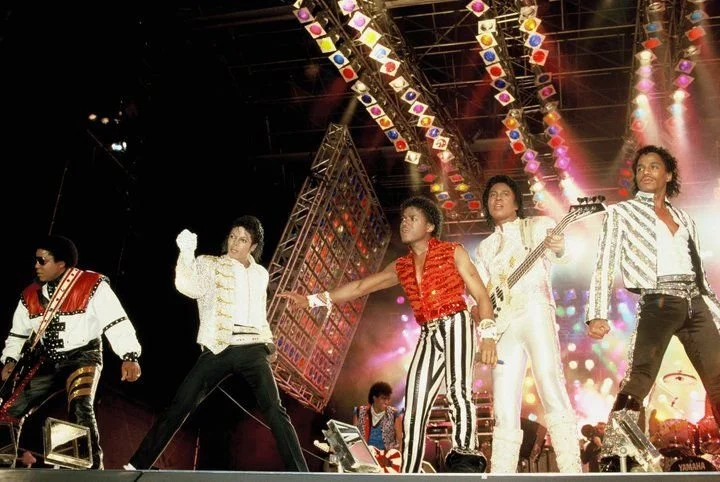
The Story of The Jacksons at Arrowhead Stadium (1984) If you were forwarded this email, click here to subscribe (it's free!) Read this story online | Sponsor this newsletter | Shop 📸 July 6-8, 1984: The Jacksons at Arrowhead Stadium In the summer of 1984, The Jacksons launched their North American Victory Tour with three sold-out shows at Arrowhead Stadium. In a rare move, Arrowhead officials accepted a flat $100,000 fee instead of their usual cut of ticket and concession sales. The Victory...